The Most Common Mulches Used For Hydromulching

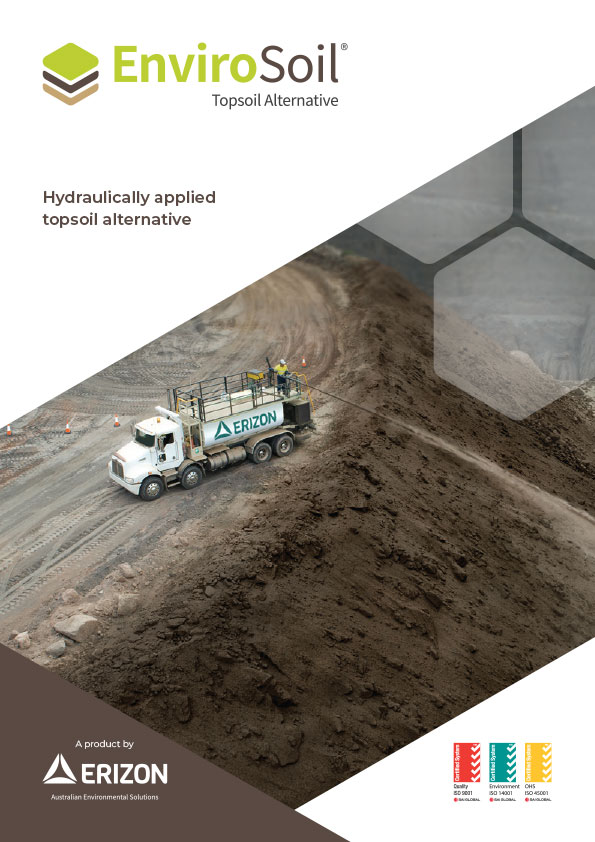
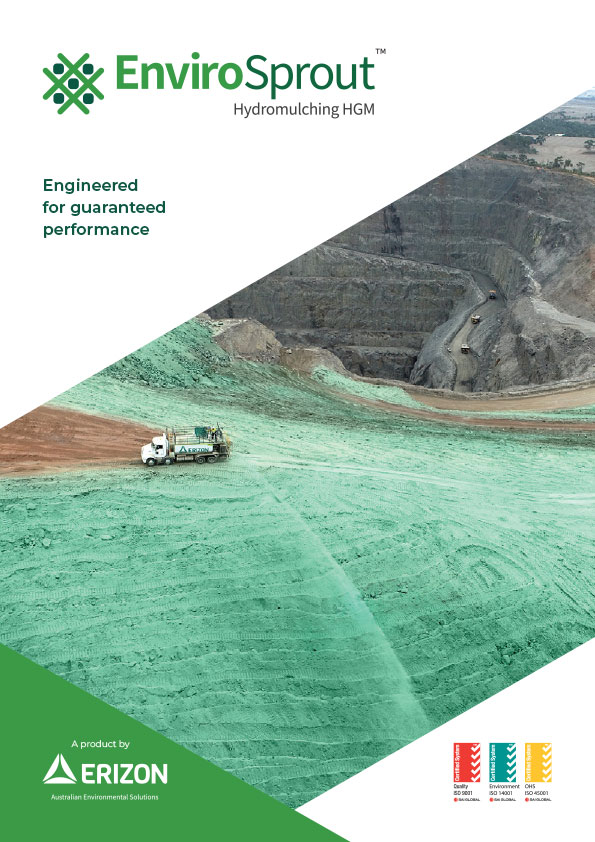
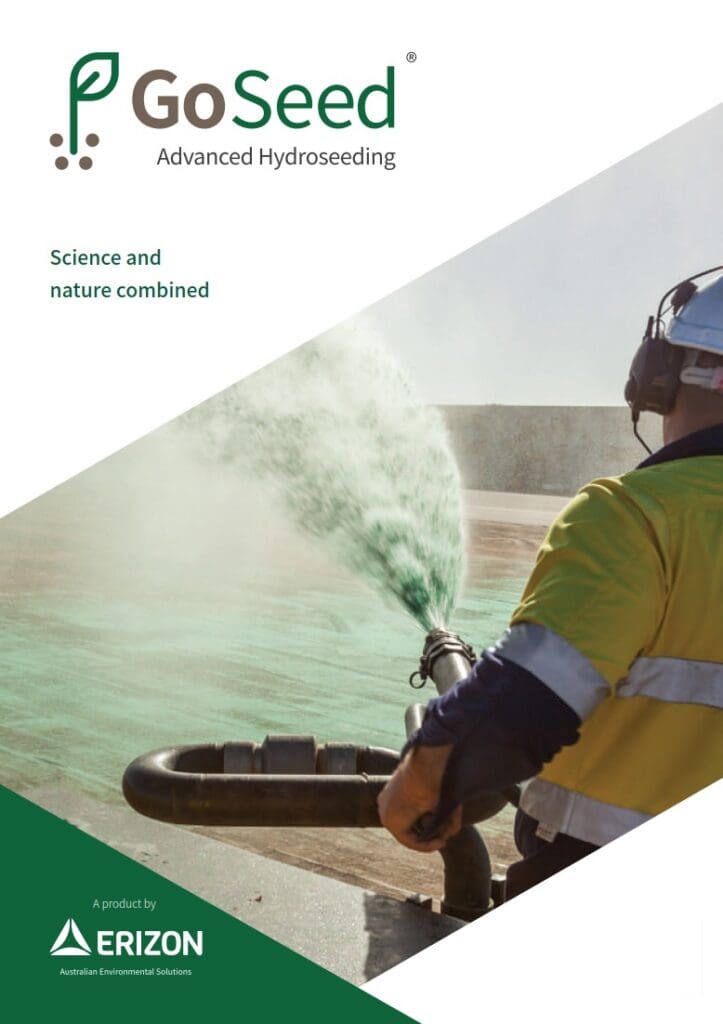
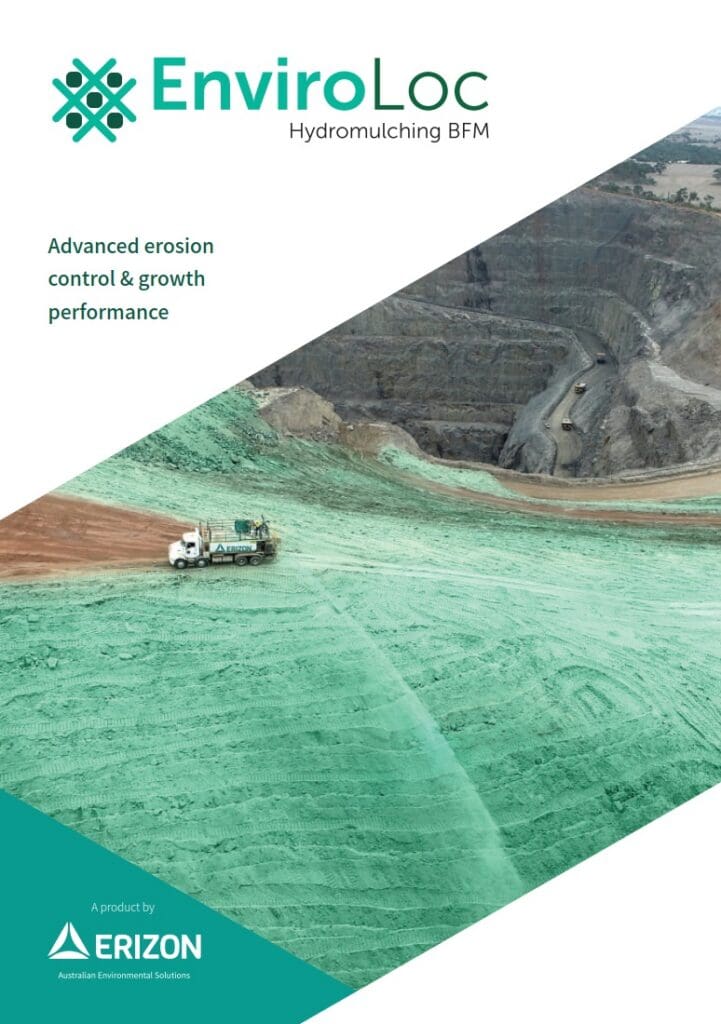
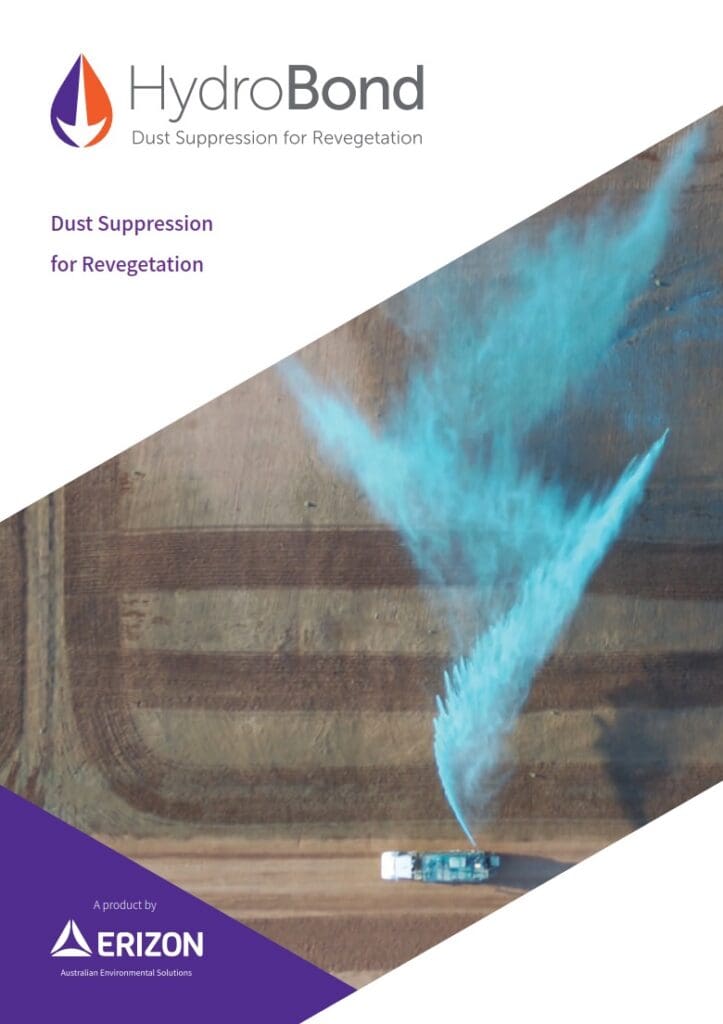
Mulch has provided a means of mitigating the effects of erosion for decades, based on the benefits associated with hydromulching for revegetation. It is commonly applied using purpose-built HydroRigs™ to hydraulically disperse mulch with water, seed, and fertilisers, onto disturbed soil or steep slopes, to avoid excess loss of sediment. Depending on the site characteristics, additives and binders can be included to underpin vegetation growth.

Where erosion control, long-term dust suppression, soil stabilisation and comprehensive revegetation of large areas of hard-to-access depleted and damaged land is the goal, we look to Hydromulching BFM. With its lasting performance, higher water retention and ability to enhance germination for faster vegetation growth, hydromulching is a sustainable and cost-effective solution
What happens when rain falls? Rainwater may get soaked into the soil, evaporate, or it may land on surfaces it can’t penetrate and travel down the streets into a drainage or stream. When the latter occurs, it’s called stormwater runoff. Stormwater runoff is produced when rain flows over land or impermeable surfaces
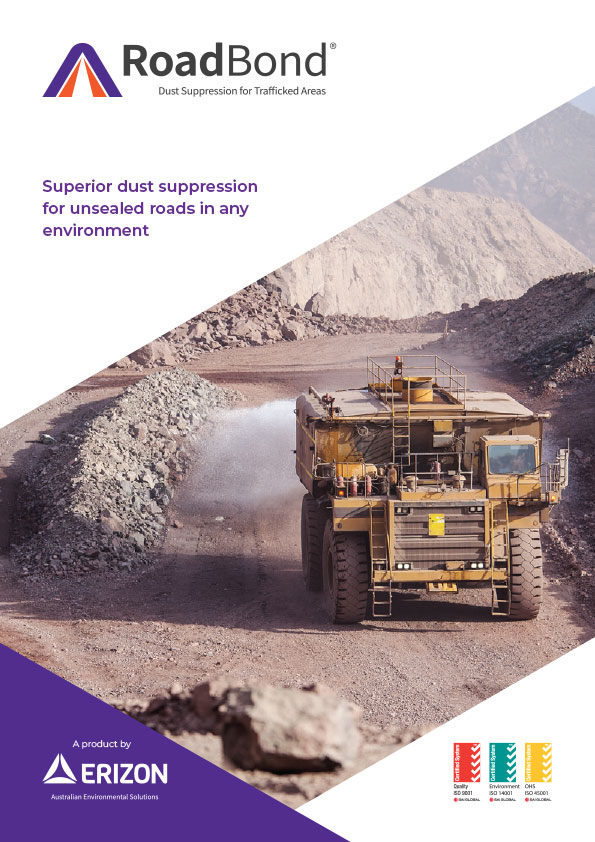
Australian companies operating in the mining, civil & infrastructure, energy, defence, and rail industries are working with environmental solutions providers to control dust risk on-site. Drilling, excavating, blasting, loading, and stockpiling can lead to dust liftoff, which can get transported elsewhere. To mitigate this risk, it’s important to ensure that the

Get in touch

For further information on how Erizon can assist you with your next Revegetation, Dust Suppression or Erosion Control project please call our team directly or complete the form below.


Please note we do not service Residential Projects.